Standing seam roofs are popular for their modern look, durability, and minimal upkeep. Unlike traditional roofs, they have raised, interlocking seams that make them highly resistant to weather and wear over time. Whether you’re planning a new installation or upgrading an existing roof, knowing how these systems work and what advantages they offer can help you make an informed decision.
Next, let’s explore what exactly a standing seam roof is and how it works.
Understanding a Standing Seam Roof?
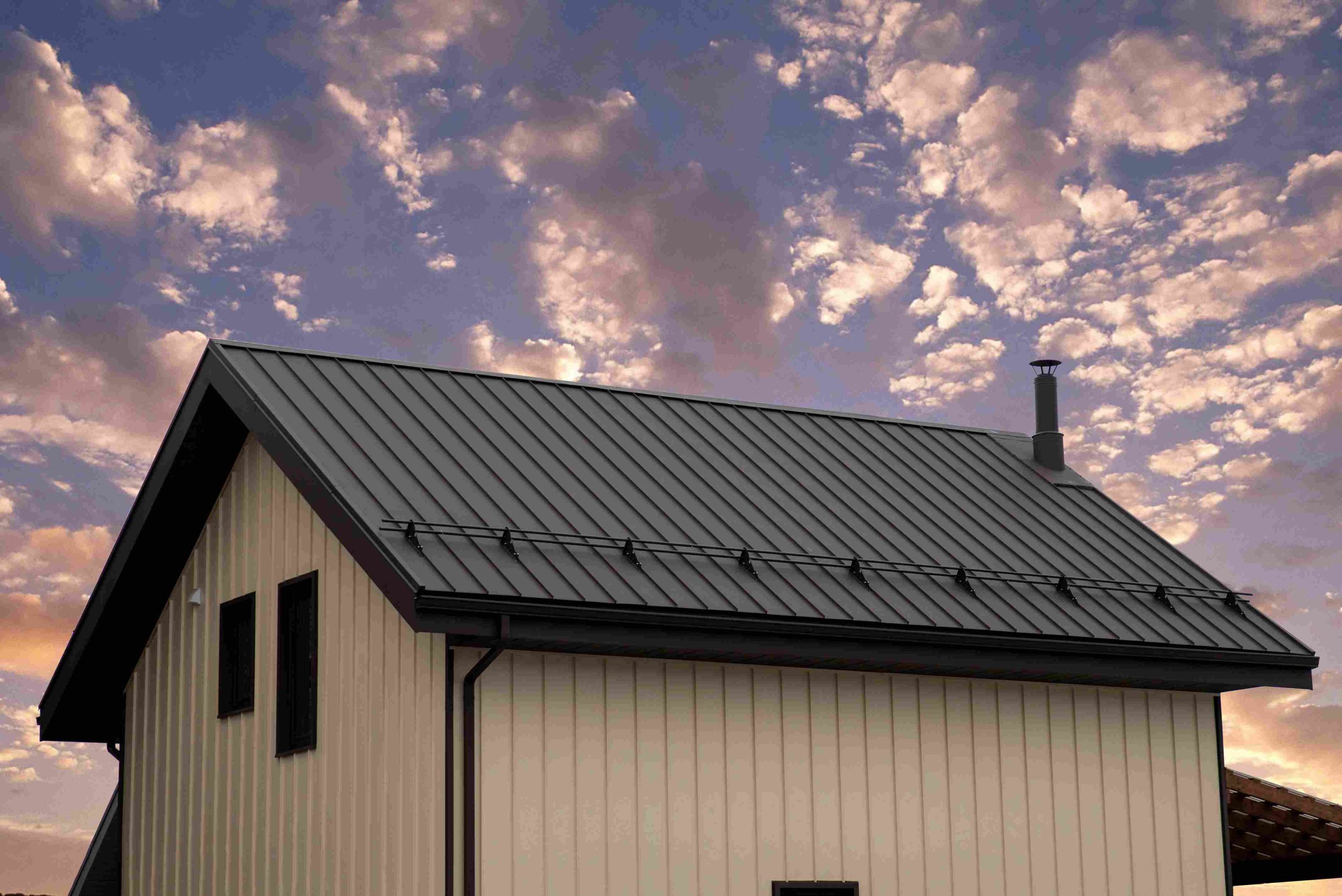
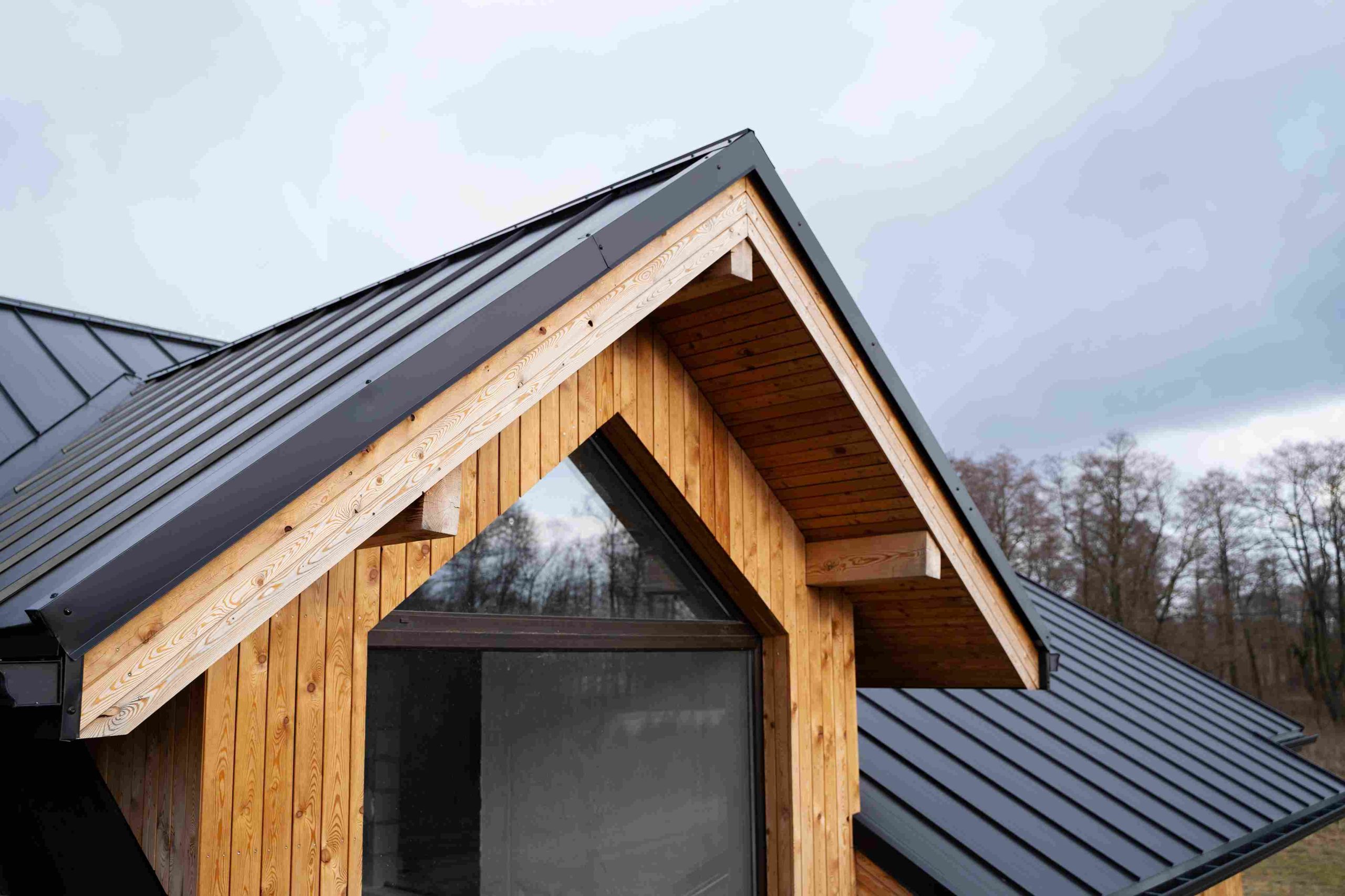
A standing seam metal roofing system features vertical seams that run from the top to the bottom of each roofing panel. These raised seams create a watertight barrier, improving durability and giving the roof a longer lifespan compared to other metal roofing systems.
Standing seam metal roofs also require less maintenance than many traditional roofing materials and offer a clean, contemporary appearance. In addition, they provide excellent protection against rain, snow, and wind, making them a reliable choice for long-term performance.
Benefits of Choosing a Standing Seam Roofs
Choosing a standing seam roof gives you more useful advantages:
Strong and Long Lasting: Made from sturdy metal, it can handle the rain, wind, and snow, often lasting for 30 years or more.
Excellent Weather Protection: The raised seams connect the panels tightly, preventing water from seeping, keeping your home safe during storms.
Energy Saving: Their metal surfaces reflect sunlight, helping to keep your house cooler in summer and lowering energy bills
Low Maintenance: Once installed, these roofs need only occasional cleaning and simple checks, saving time and money.
Eco-Friendly: Standing seam roofs are manufactured using recyclable materials, making them a more environmentally friendly option.
Modern Appearance: With clean lines and a choice of colours, these roofs give homes a neat and stylish look.
How Standing Seam Roofs Are Installed
A standing seam roof require precise installation to make it durable, waterproof and long-lasting. Here is how it is done:
Prepare the Roof
Before installing a standing seam roof, remove the old roofing materials and clean the surface where the new roof will be installed. Next, a waterproof underlayment or insulated layer is installed to keep water from leaking through the roof, and also to increase the energy efficiency of the building.
Measure and Cut Panels
Once the underlayment is in place, metal panels are fabricated to be cut to the proper measurement to fit the roof. These panels typically run from the bottom edge of the roof all the way to the top.
Attach Panels
The panels are installed on the roof and fastened down with hidden or clipped fasteners as per manufacturer instructions. The raised seams of the panels are folded or locked together, which forms a watertight seal that prevents water from penetrating the surface of the roof, snow from piling up on top of it and wind from blowing through the seams of the installed panels.
Add Ridges and Trims
The installation includes the addition of ridge caps, edge trims and flashing at the joints, edges and corners. These finishing elements create a neat appearance of the roof while providing additional protection from extreme weather conditions.
Final Inspection and Maintenance
After the roof has been installed, each of the seams and panels will be checked to ensure that the entire roof has been properly secured. Throughout the lifetime of the roof, it will continue to be in good condition as long as it receives regular inspections and basic cleaning.
Cost of Standing Seam Roofing
Most standard standing seam roofs cost around £80 – £200 per square metre based on materials and design. Choosing premium metals like copper or zinc can increase the price to £200 – £400 per square metre.
The total cost can also be affected by:
- Material choice: Steel and aluminum are more affordable than zinc and copper.
- Roof size and shape: Larger or more complex roofs require more materials and labour.
- Extra features: Insulation, special coating, or high-quality underlay add to the price.
Even though standing seam roofs are more expensive than traditional tiles or shingles, they last longer, need little upkeep, and give your home a modern, stylish look.
Conclusion
A standing seam roof is an excellent option for homeowners looking for a robust, waterproof, and timeless roof. While it is typically priced higher than traditional tiles or shingles, the long service life, reduced maintenance, and energy efficiency of a standing seam roof make it a fairly cost-effective option.
The range of metals and finishes available means a standing seam roof can work with a variety of home styles and withstand various weather conditions. A standing seam roof will combine strength, style, and functionality to provide a long-lasting roof.